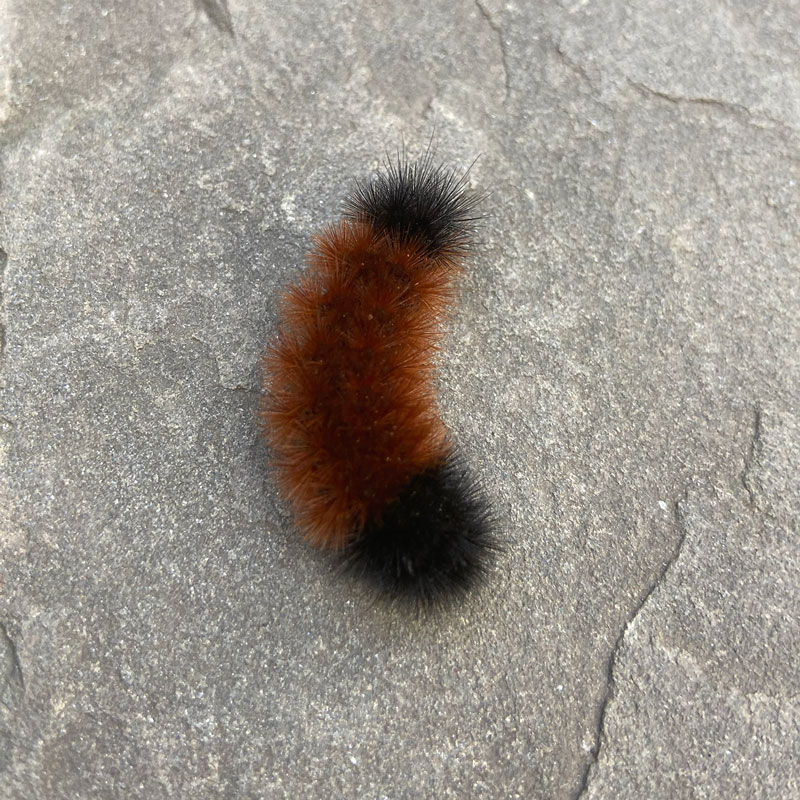
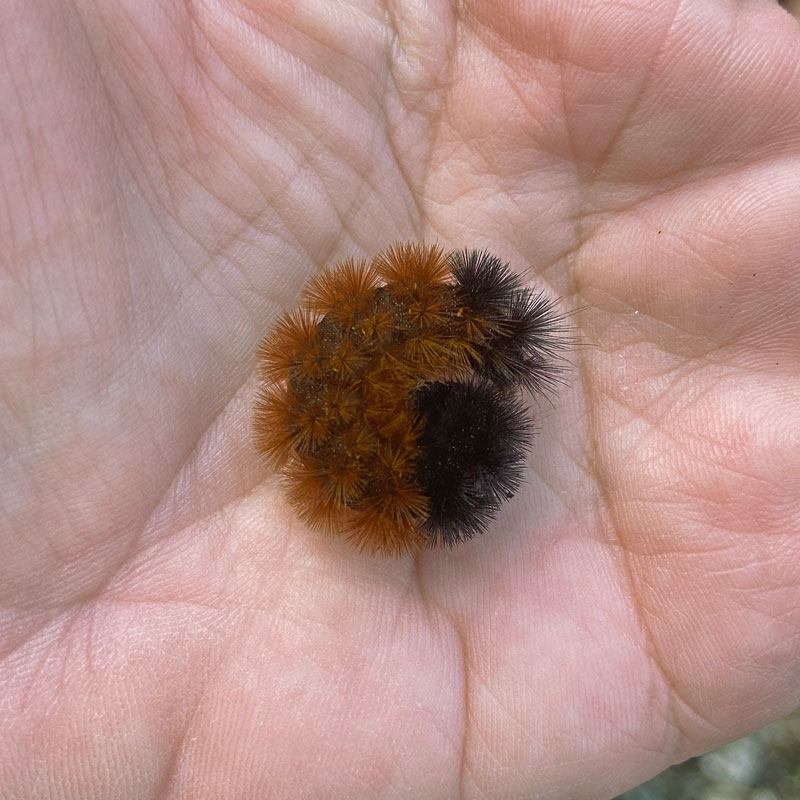
This fall, we’ve received numerous comments about the Woolly Bear Caterpillars in the park, and it appears that there are more than usual. Many parents have been overheard explaining to their children that the colors of the Woolly Bear caterpillar can predict the upcoming winter weather. While this is merely folklore, it’s a fun way to encourage kids to observe and examine this harmless caterpillar.
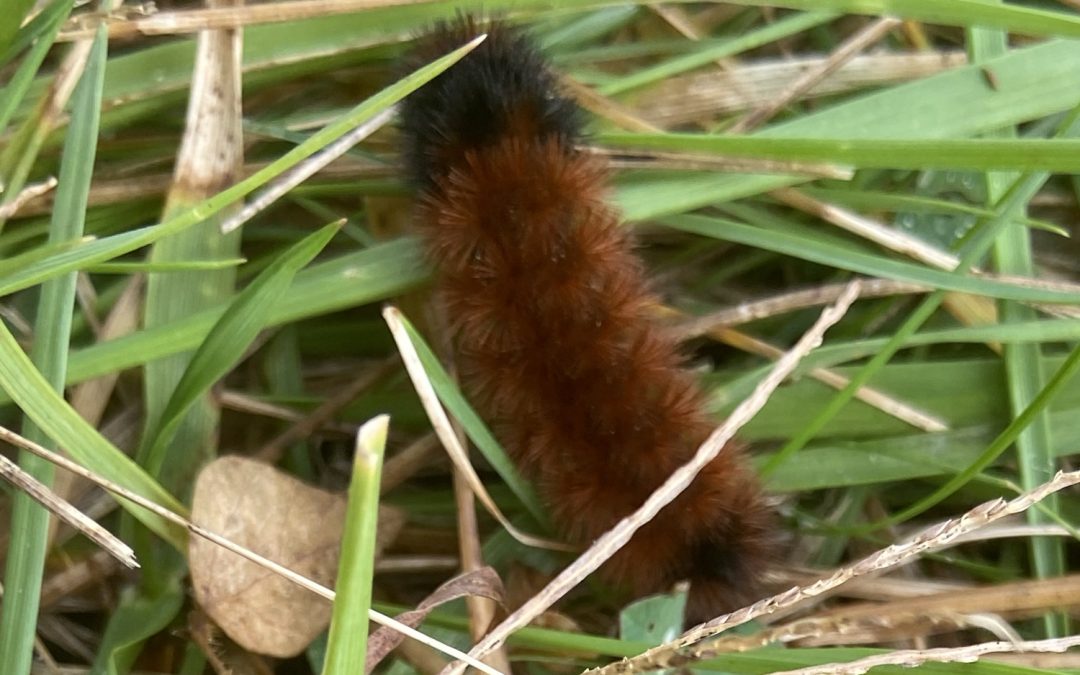
The Woolly Bear, also known as the Fuzzy Bear caterpillar, is black at both ends and reddish-brown in the middle. According to folklore, the amount of black on the caterpillar indicates the severity of the coming winter. Longer black bands suggest a longer, colder and snowier winter, whereas a wider middle brown band points to a milder winter.
The position of the longest dark bands is said to indicate which part of winter will be the harshest. If the head end is dark, it suggests a severe start to winter; if the tail end is dark, it indicates that the end of winter will be cold. Additionally, the Woolly Bear caterpillar has 13 segments on its body, which traditional forecasters claim correspond to the 13 weeks of winter.
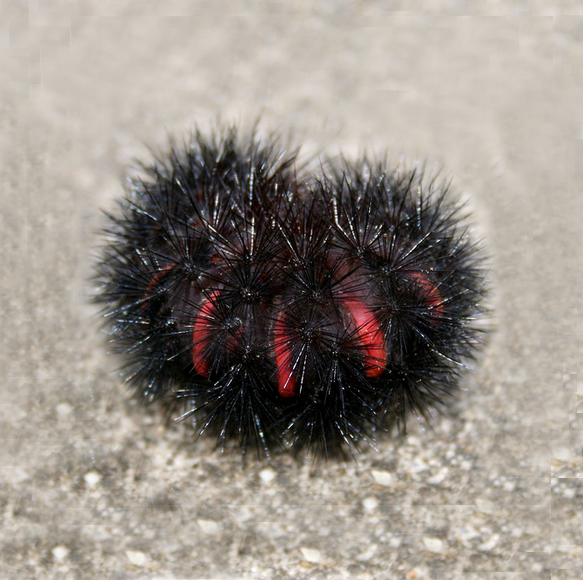
In the southern United States, the Woolly Bear is also called the Woolly Worm. Another name for this caterpillar is the Hedgehog Caterpillar because it curls into a bristly ball and “plays dead” when disturbed or picked up, much like a hedgehog does.
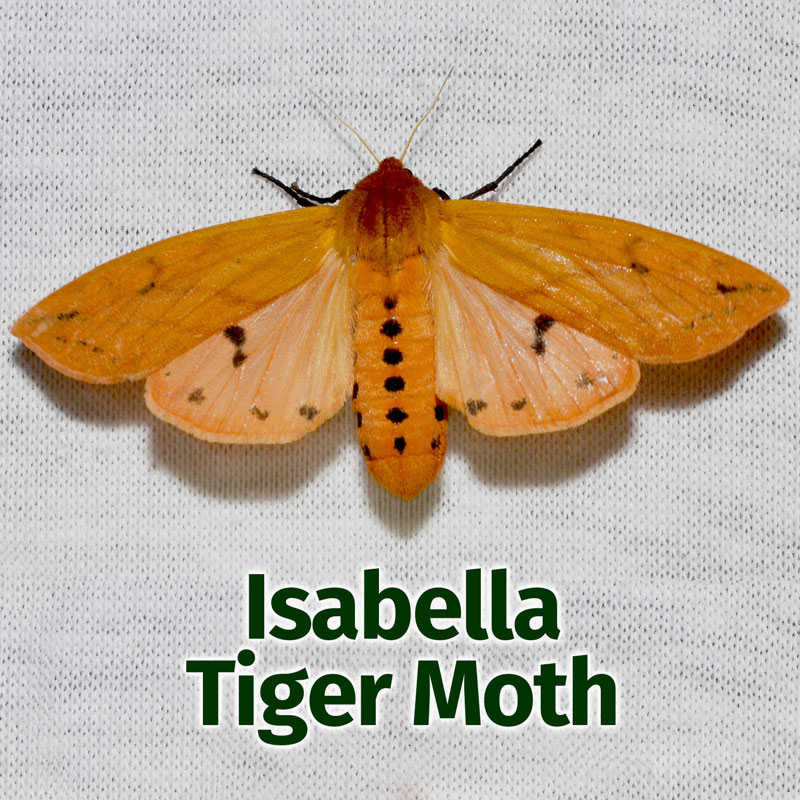
Regardless of its name, these caterpillars are commonly found in the fall after they leave their food sources, which include grasses and weeds such as plantain, dandelion and nettles. They search for a dark, sheltered spot to hibernate throughout the winter. Unlike most other caterpillars, the Woolly Bear Caterpillar will pupate in early spring, with the Isabella Tiger Moth emerging from the pupa in late spring/early summer.
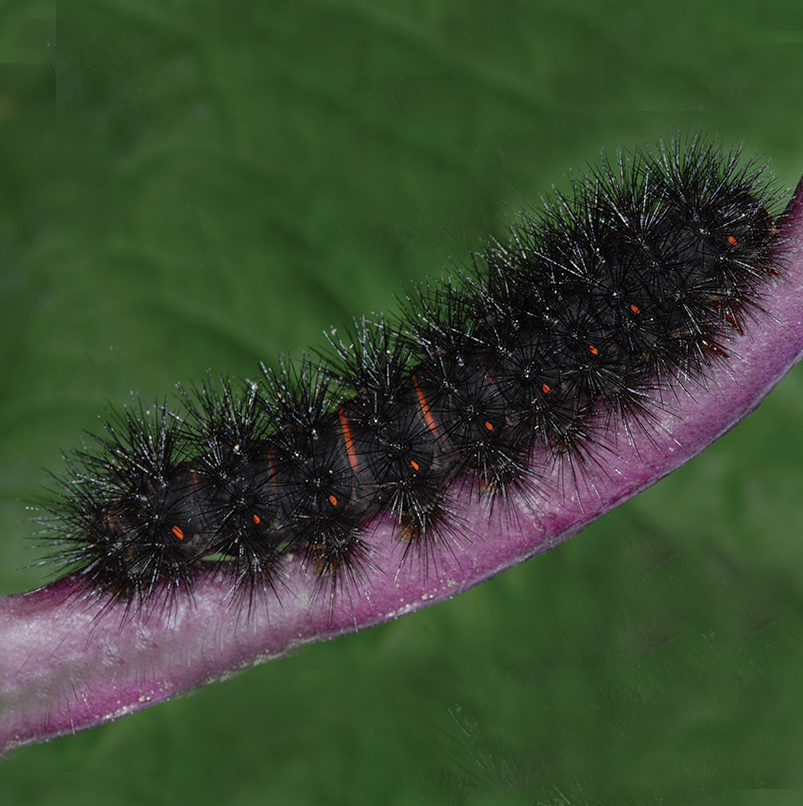
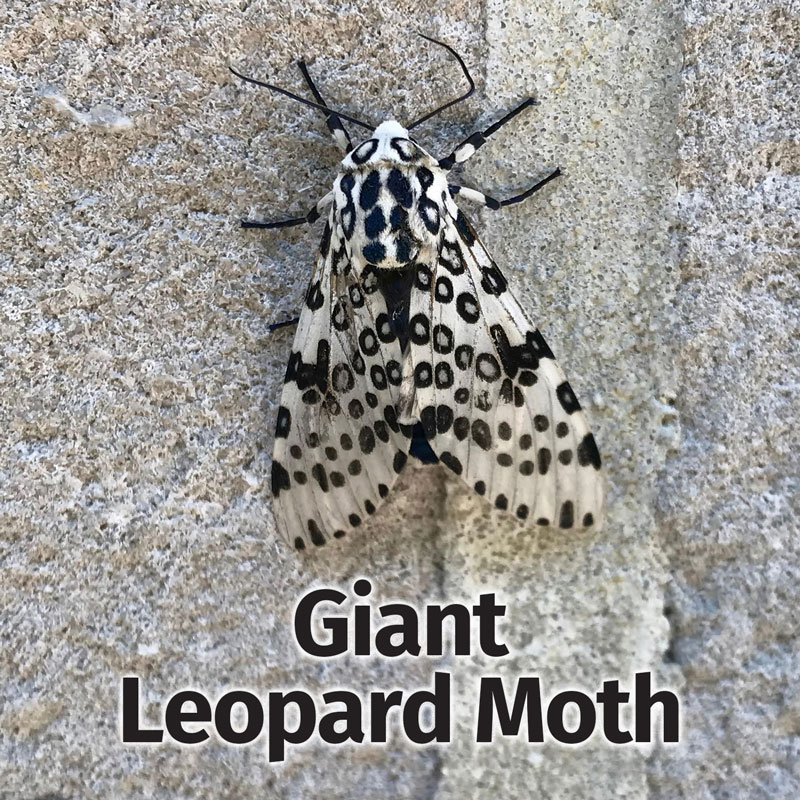
If by chance, you find a caterpillar that is all black, no need to worry about an extremely harsh winter; it’s not a Woolly Bear Caterpillar, it’s a Leopard Moth Caterpillar. These caterpillars are also a common sight in the fall. The Leopard Moth Caterpillar is not hard to identify. When it curls up, you’ll see red bands between the black bristles.